Email Us
News

How Does a PV Combiner Box Improve Solar System Efficiency and Safety?

2026-03-20 0 Leave me a message

Abstract: A PV Combiner Box plays a critical role in solar power systems by consolidating multiple photovoltaic string outputs into a single output. This article explains how it works, why it is essential, and how it addresses common challenges such as safety risks, maintenance complexity, and system inefficiency. Detailed structure, technical parameters, and practical selection guidance are provided to help decision-makers optimize solar installations.

Solar Array Junction Box

Table of Contents


1. Introduction to PV Combiner Box

In modern photovoltaic systems, multiple solar panel strings generate direct current (DC) electricity. Managing these outputs efficiently is crucial for system performance and safety. A PV Combiner Box serves as a centralized unit that collects and combines the outputs of multiple strings into a single DC output.

Without this device, system wiring becomes complex, increasing the risk of faults, inefficiencies, and maintenance challenges. A well-designed combiner box simplifies system architecture and enhances reliability.


2. How a PV Combiner Box Works

The PV Combiner Box operates by aggregating DC inputs from multiple photovoltaic strings. Each string is connected to an input terminal equipped with protective components such as fuses or circuit breakers.

  • Each solar string feeds into the combiner box
  • Overcurrent protection devices monitor each input
  • Outputs are merged into a single DC line
  • The combined output is sent to the inverter

This consolidation reduces the number of cables running to the inverter and simplifies system monitoring.


3. Key Components and Structure

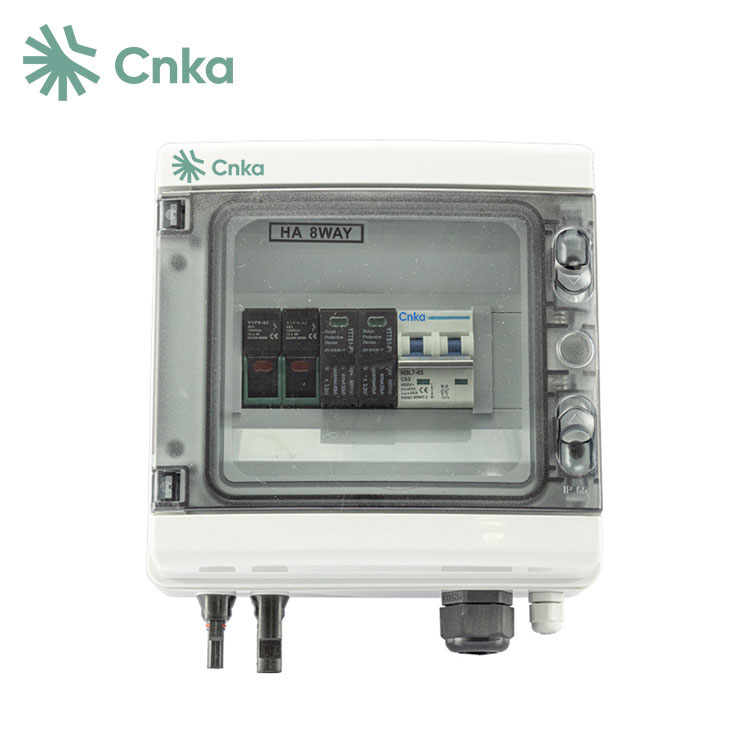
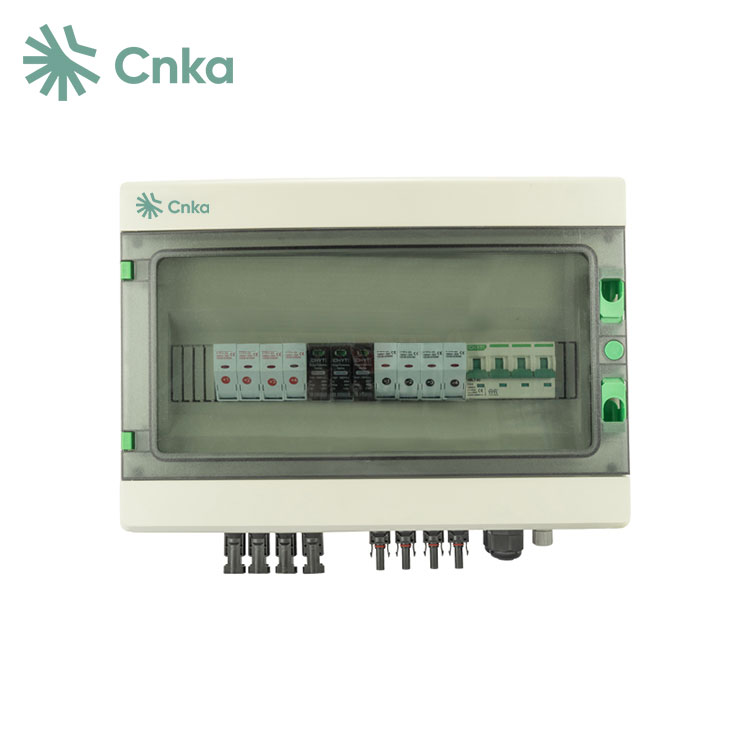
A standard PV Combiner Box includes several critical components:

Component Function
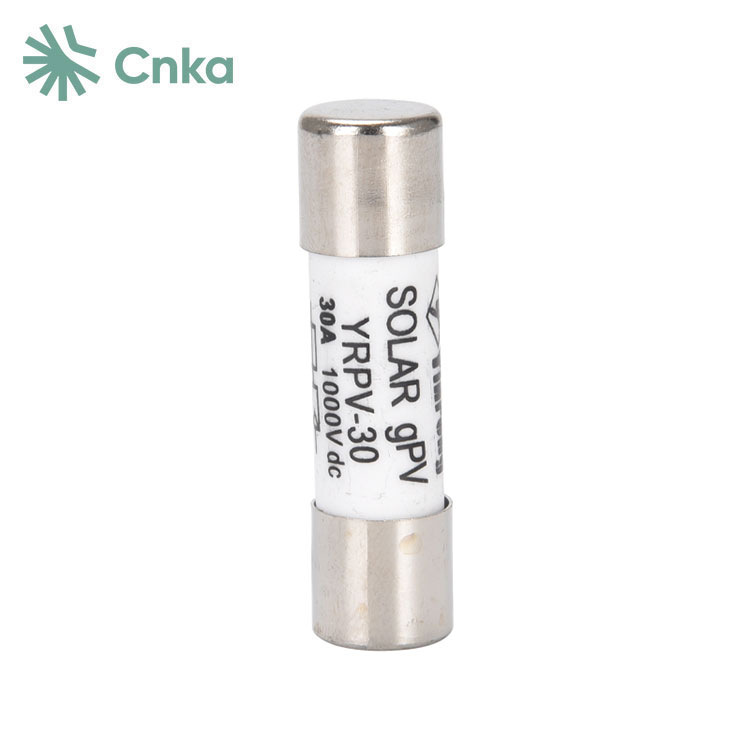
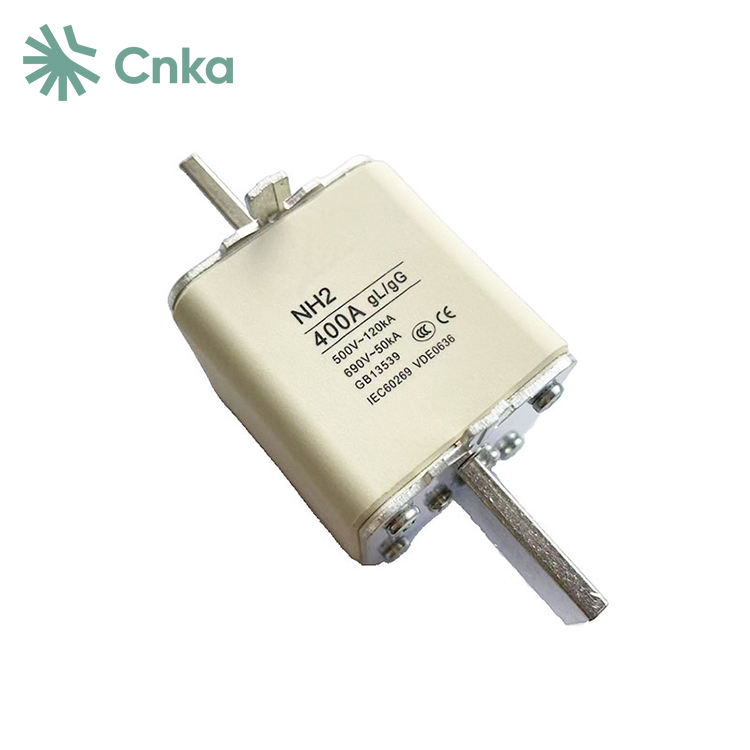
DC Fuse Protects each string from overcurrent
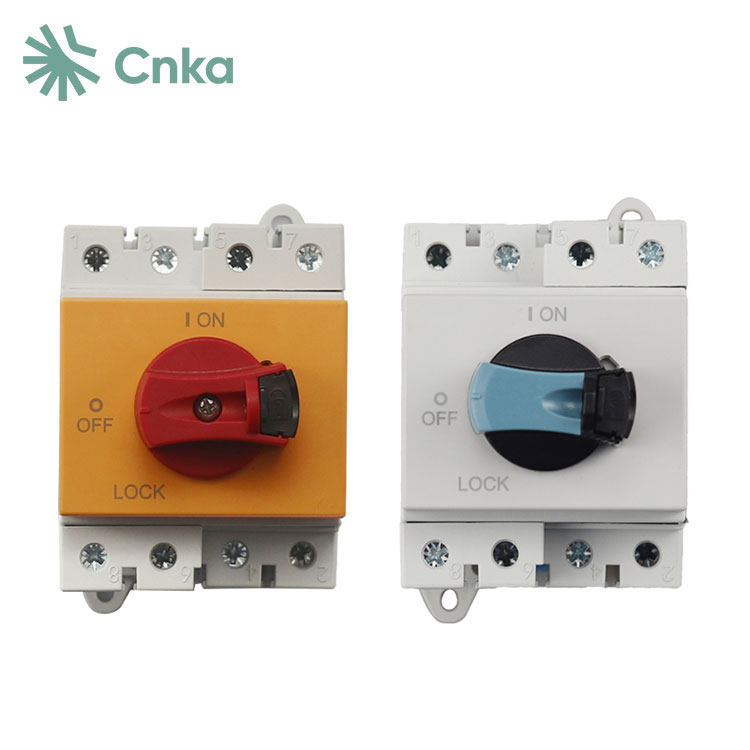
DC Circuit Breaker Provides manual disconnection and protection
Surge Protection Device (SPD) Protects against lightning and voltage surges
Busbar Combines electrical outputs from multiple inputs
Enclosure Protects internal components from environmental factors

Advanced models may also include monitoring modules that provide real-time performance data for each string.


4. Benefits of Using a PV Combiner Box

Integrating a PV Combiner Box into a solar system delivers several operational and economic benefits:

  • Improved Safety: Built-in protection devices reduce risks of short circuits and overcurrent
  • Simplified Wiring: Reduces cable complexity and installation time
  • Enhanced Efficiency: Optimized current flow improves overall system performance
  • Easier Maintenance: Centralized design allows quick fault detection
  • Scalability: Supports system expansion with minimal redesign

5. Technical Parameters Overview

When evaluating a PV Combiner Box, the following parameters are essential:

Parameter Description
Maximum Input Voltage Typically 600V, 1000V, or 1500V DC
Number of Input Strings Ranges from 4 to 24 or more
Output Current Depends on system capacity
Protection Level IP65 or higher for outdoor use
Operating Temperature -25°C to +60°C or wider range
Monitoring Function Optional remote data acquisition

6. Common Customer Pain Points and Solutions

1. Complex Wiring Systems
Large-scale solar installations often involve dozens of strings, leading to complicated wiring. A combiner box consolidates connections, reducing installation errors.

2. Difficult Fault Detection
Without centralized monitoring, identifying faulty strings is time-consuming. Modern combiner boxes provide string-level monitoring for quick diagnostics.

3. Safety Risks
Overcurrent, lightning, and insulation failure pose risks. Integrated protection devices mitigate these hazards effectively.

4. High Maintenance Costs
Decentralized systems require more labor for inspection. A combiner box simplifies maintenance and reduces operational costs.


7. How to Choose the Right PV Combiner Box

Selecting the right model requires careful consideration of system requirements:

  • System Voltage: Ensure compatibility with your PV array voltage
  • Number of Inputs: Match the number of strings in your system
  • Environmental Conditions: Choose appropriate enclosure protection (IP rating)
  • Safety Features: Include SPD, fuses, and circuit breakers
  • Monitoring Needs: Consider smart monitoring for large systems

CNKA provides a range of PV Combiner Box solutions designed to meet diverse application needs, from residential installations to large-scale solar farms.


8. Installation and Maintenance Guidelines

Proper installation and maintenance ensure optimal performance:

  • Install in a shaded, ventilated location
  • Ensure proper grounding to prevent electrical hazards
  • Regularly inspect connections and components
  • Test surge protection devices periodically
  • Monitor system performance for anomalies

Routine maintenance helps extend the lifespan of the equipment and ensures continuous operation.


9. FAQ

Q1: What is the primary function of a PV Combiner Box?
A: It combines multiple solar string outputs into a single DC output while providing protection and monitoring.

Q2: Is a PV Combiner Box necessary for small systems?
A: For small systems with few strings, it may not be required, but it is highly recommended for improved safety and organization.

Q3: How often should a combiner box be maintained?
A: Inspection is typically recommended every 6 to 12 months, depending on environmental conditions.

Q4: Can a combiner box improve system efficiency?
A: Yes, by optimizing current flow and reducing losses, it contributes to overall system efficiency.


10. Conclusion

A PV Combiner Box is a fundamental component in modern solar power systems, offering improved safety, simplified wiring, and enhanced performance. By addressing key operational challenges, it enables more reliable and scalable solar installations.

CNKA is committed to delivering high-quality PV Combiner Box solutions tailored to various project requirements. Whether for residential, commercial, or industrial applications, choosing the right equipment can significantly impact system performance and long-term reliability.

Looking to optimize your solar system with a reliable PV Combiner Box? Contact us today to explore professional solutions and get expert support tailored to your project needs.

Related News
Leave me a message
Mobile
+86-15058987111
Address
Jingtai Testing Equipment, Xiangyang Industrial Zone, Liushi Town, Leqing City, Wenzhou City, Zhejiang Province
X
We use cookies to offer you a better browsing experience, analyze site traffic and personalize content. By using this site, you agree to our use of cookies. Privacy Policy
Reject Accept