As solar power systems become larger and more complex, the PV combiner box has changed from a simple connection device into an important part of photovoltaic safety management. Inside this compact enclosure, multiple components work together to protect circuits, organize power flow, and provide valuable system information.
Many solar users understand the importance of panels and inverters but pay less attention to the electrical components between them. However, the performance of a PV system often depends on how effectively these supporting devices handle current protection, voltage fluctuations, and daily monitoring.
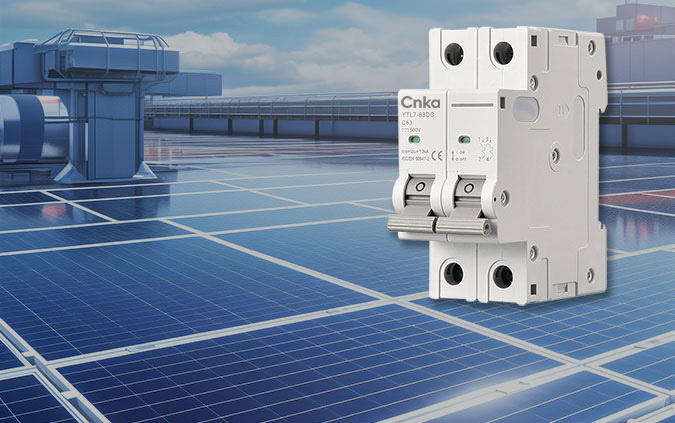
Wenzhou Naka Technology New Energy Co., Ltd has been dedicated to solar electrical components since 2004, developing solutions including DC circuit breakers, DC surge protective devices, DC isolator switches, PV combiner boxes, and DC fuses. Through continuous product development and engineering improvement, the company focuses on meeting the practical requirements of modern photovoltaic applications.
Why Does a PV Combiner Box Matter in Solar Power Systems?
A photovoltaic system normally contains multiple solar strings. Each string collects electricity generated by several solar panels, and the PV combiner box gathers these separate inputs before sending power to the next stage of the system.
This process may seem straightforward, but it requires careful electrical management. A properly designed combiner box helps prevent equipment damage, improves maintenance efficiency, and allows operators to better understand system conditions.
The main functions include:
Combining output from multiple PV strings
Providing overcurrent and surge protection
Improving system organization
Supporting easier troubleshooting and maintenance
The internal structure determines how effectively these functions can be achieved.
Four Essential Components Inside a PV Combiner Box
DC Fuses: Protecting Individual Solar Strings
DC fuses are one of the first protection layers inside a PV combiner box. Since solar strings operate independently, an abnormal current situation in one string may affect other connected circuits if protection is insufficient.
When current exceeds the designed safety range, a DC fuse disconnects the affected circuit and helps reduce the risk of damage to other electrical equipment.
For photovoltaic applications, DC fuses need to provide stable performance under outdoor conditions, including temperature changes and long operating periods.
Bus Bars: Supporting Reliable Current Collection
Bus bars serve as the central connection structure inside the combiner box. They collect current from different PV strings and transfer it through a unified electrical pathway.
The design of bus bars influences conductivity, heat management, and overall connection reliability. Proper spacing and material selection are especially important because solar systems often operate continuously for many years.
Similar to the precision requirements found in optical testing technologies such as CGH Null Correctors, electrical equipment also depends on accurate design and careful manufacturing details. Small structural improvements can have a meaningful impact on long-term system performance.
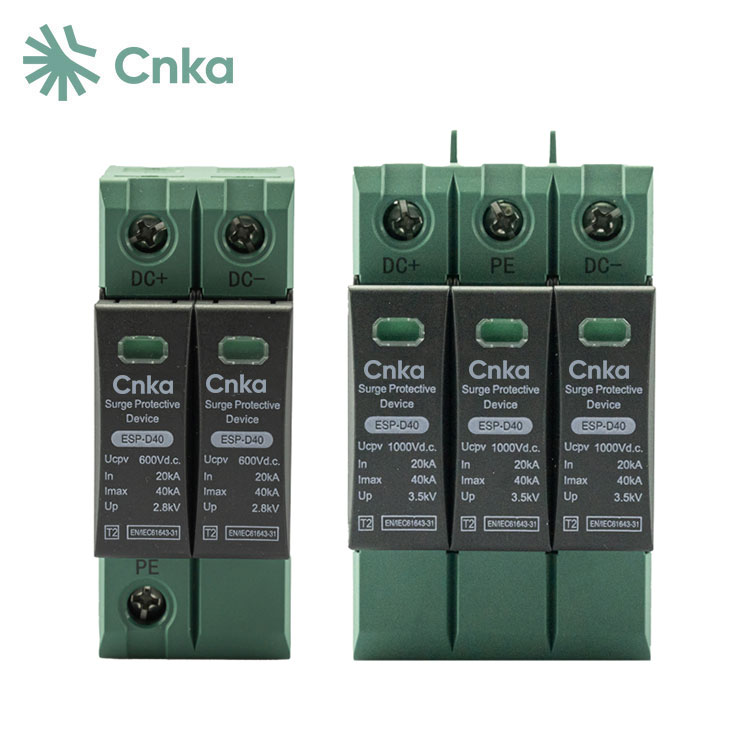
Surge Protective Devices: Reducing Risks From Voltage Surges
Solar installations are usually exposed to outdoor environments, where lightning, grid fluctuations, and sudden voltage changes may occur.
Surge Protective Devices (SPDs) help limit excessive voltage and protect sensitive electrical components connected to the photovoltaic system.
Their importance becomes more obvious in large-scale solar projects, where unexpected electrical events can lead to longer maintenance periods and reduced energy output.
String-Level Monitoring Modules: Bringing Intelligence Into Solar Management
With the development of smart energy systems, monitoring has become an increasingly important function of PV combiner boxes.
String-level monitoring modules allow operators to observe the performance of individual solar strings instead of only checking the overall system output.
When one string shows unusual performance, monitoring data can help identify possible issues such as:
Monitoring Information
Possible Issue
Maintenance Benefit
Lower string current
Panel problem or shading
Faster problem location
Abnormal voltage change
Connection or equipment issue
Improved inspection efficiency
Long-term performance decline
Component aging
Supports preventive maintenance
This shift from basic protection to intelligent monitoring represents an important trend in photovoltaic development.
How Do These Components Work Together?
The strength of a PV combiner box comes from the cooperation between different internal parts.
DC fuses focus on current protection, SPDs manage sudden voltage risks, bus bars maintain stable electrical connections, and monitoring modules provide operational visibility.
Each component has a specific role, and the overall system depends on their coordination. This idea is also reflected in precision industries where technologies like CGH Null Correctors are used: reliable performance comes from the combination of accurate design, quality control, and consistent results.
What Should Be Considered When Evaluating PV Combiner Box Design?
Different solar projects may have different requirements depending on installation conditions, system size, and environmental factors.
Important considerations include:
Protection Capability
A combiner box should provide suitable protection against overcurrent and voltage surges. Proper selection of fuses, breakers, and SPDs helps improve system safety.
Internal Layout
A clear internal structure makes installation and inspection more convenient. Good component arrangement can also support better heat management.
Monitoring Functions
As solar systems become more digital, monitoring capability is becoming an important factor. Real-time information helps improve operation decisions and maintenance planning.
Product Consistency
Long-term solar applications require stable quality control. Attention to details during design and production can reduce unexpected problems during operation.
The Future Development Direction of PV Combiner Boxes
The photovoltaic industry continues to move toward higher efficiency and smarter management. Future PV combiner boxes are expected to integrate more monitoring functions, improve compact design, and provide stronger environmental adaptability.
The growing demand for reliability also encourages manufacturers to apply more precise engineering methods. Whether in renewable energy equipment or technologies like CGH Null Correctors, accuracy and consistency remain important factors in achieving dependable performance.
As solar power becomes a larger part of global energy systems, supporting electrical components will continue to receive greater attention.
Conclusion
A PV combiner box contains several important components that influence the safety and efficiency of solar systems. DC fuses, bus bars, SPDs, and string-level monitoring modules each provide different functions, creating a complete protection and management structure.
Understanding these internal elements helps industry professionals better evaluate photovoltaic solutions and recognize the importance of component quality. With experience in solar electrical technology and continuous innovation, Wenzhou Naka Technology New Energy Co., Ltd continues to develop PV combiner boxes, DC circuit breakers, DC surge protective devices, DC isolator switches, and DC fuses that support modern renewable energy applications.
We use cookies to offer you a better browsing experience, analyze site traffic and personalize content. By using this site, you agree to our use of cookies. Privacy Policy